


We often encounter businesses frustrated by lead generation that simply doesn’t work. They invest in flashy ads, expensive landing pages, and generic email campaigns, only to see minimal results. Their website traffic increases, but conversions don’t follow. Leads vanish, ROI stagnates, and teams spend countless hours chasing prospects who never bite.
This is a story we hear repeatedly from our clients before they adopt a strategic, automated funnel. Traditional approaches fail because they ignore the customer journey, rely on sporadic engagement, and lack the precision needed to move leads through the funnel automatically.
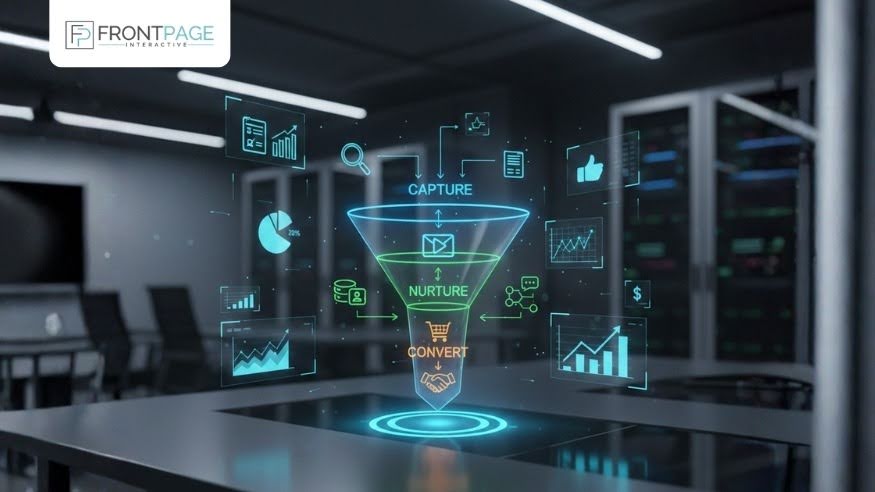
The solution? A structured, automated funnel that captures attention, nurtures relationships, and converts leads into paying customers consistently. This is the ultimate funnel blueprint, designed to work for businesses of any size and industry, turning a chaotic lead generation process into a predictable, high-performing system.
Stage One: Capture Leads
Lead capture is the cornerstone of a successful funnel. Many businesses make the mistake of simply adding a pop-up form or a “Contact Us” page, expecting leads to magically appear. From our experience, this approach rarely works. Clients often report that despite significant website traffic, only a tiny fraction of visitors ever engage.
To capture leads effectively, businesses need a combination of value, timing, and relevance:
- Irresistible lead magnets: Visitors will trade their contact information only if they perceive value. This could be a comprehensive guide, industry report, checklist, or exclusive access to a webinar. For example, a local service provider saw a 300% increase in sign-ups after offering a free “Top 10 Tips” PDF tailored to their audience’s pain points.
- Optimized landing pages: Minimal distractions, clear headlines, and prominent calls-to-action drastically improve conversion rates. Avoid overwhelming forms or cluttered designs—simplicity sells.
- Behavioral triggers: Modern capture strategies often leverage exit-intent pop-ups, scroll-based triggers, or personalized recommendations. These tools catch prospects at the right moment and encourage engagement.
By using these strategies, businesses attract qualified leads. These leads are not just random emails; they are people already interested in the product or service.
Stage Two: Nurture Leads
Capturing leads is just the first step. Without proper nurturing, even the best leads can go cold. Many companies fail because they assume that once someone signs up, the job is done. We’ve seen clients lose entire campaigns because their follow-ups were generic, infrequent, or irrelevant.
Effective lead nurturing is about building trust, demonstrating value, and guiding prospects through their journey:
- Personalized email sequences: Segmentation based on behavior, demographics, and interests ensures each lead receives content that resonates. For instance, an eCommerce client used behavior-based workflows to send product recommendations, resulting in a 40% increase in repeat visits.
- Multi-channel engagement: Don’t rely solely on email. SMS reminders, social media retargeting, and chatbots create multiple touchpoints, keeping your brand top-of-mind.
- Value-driven content: Instead of constantly selling, provide actionable tips, case studies, and insights. This establishes authority and builds a relationship over time.
When nurturing is automated yet personalized, prospects naturally progress through the funnel without feeling pressured. This reduces churn and maximizes engagement.
Stage Three: Convert Leads
Conversion is where most businesses struggle. We’ve worked with clients who spend thousands on campaigns, only to see their leads abandon carts or ignore offers. Conversion requires more than just a good product; it demands strategy, psychology, and automation working together.
Sales Pages & Offers
A high-converting sales page doesn’t just list features. It tells a story and shows value.
- Highlight the unique benefit: Explain clearly why your solution solves the customer’s specific problem better than competitors.
- Create urgency and scarcity: Limited-time offers, low-stock alerts, or exclusive bonuses motivate faster action.
- Use psychological triggers: Authority, reciprocity, and social proof increase trust and influence decision-making. Reviews, testimonials, and expert endorsements can dramatically increase conversions.
The goal is to make the purchase decision feel both logical and compelling.
Automated Follow-Ups
Many leads leave without purchasing simply because they weren’t reminded or assisted at the right moment. Automated follow-ups prevent missed opportunities:
- Email reminders for abandoned carts or unfinished inquiries.
- SMS alerts for urgent promotions or exclusive deals.
- Chatbots to answer questions instantly and guide prospects toward completing a purchase.
Timing is everything. Too frequent, and prospects feel spammed. Too sparse, and you lose the chance to engage when they are ready. Testing and optimization help find the perfect cadence.
Upsells, Cross-Sells, and Retention
Conversion shouldn’t stop at the first sale. Maximizing lifetime value transforms one-time customers into long-term revenue streams:
- Offer related products or services immediately after purchase.
- Implement loyalty programs to reward repeat engagement.
- Automate post-purchase communication like tutorials, maintenance tips, or check-ins.
These strategies not only increase revenue per customer but also enhance brand loyalty and customer satisfaction.
Analytics & Optimization
A funnel is only as strong as the insights you gather. Many businesses fail because they don’t track key metrics or iterate based on performance:
- Track conversion rates, engagement levels, and ROI at each funnel stage.
- Conduct A/B testing on landing pages, email copy, and offers.
- Use insights to continuously refine messaging, timing, and content.
Regular analysis ensures the funnel evolves, improving performance over time and avoiding stagnation.
Tools & Technology
A successful automated funnel relies heavily on the right tools. Manual management often leads to inconsistencies, missed opportunities, and lost revenue. Essential technologies include:
- CRM platforms for lead tracking, segmentation, and reporting.
- Email automation tools to schedule workflows, drip campaigns, and personalized follow-ups.
- Landing page builders optimized for speed, mobile responsiveness, and conversions.
- Analytics dashboards for measuring KPIs, ROI, and campaign performance.
Choosing and integrating the right tools empowers businesses to run their funnel efficiently, reducing human error and maximizing scalability.
Conclusion
The ultimate funnel blueprint solves the problems most businesses face with lead generation. Traditional tactics fail because they ignore the journey from capture to conversion and lack a cohesive, automated strategy.
By implementing a structured approach that:
- Captures the right leads with compelling offers and optimized forms.
- Nurtures prospects through personalized, multi-channel communication.
- Converts using psychological triggers, automated follow-ups, and value-driven offers.
- Maximizes revenue with upsells, retention strategies, and ongoing optimization.
…businesses can transform their digital marketing from inconsistent and frustrating to predictable and profitable.
Clients who adopt this blueprint consistently see higher engagement, more conversions, and improved lifetime value. If your lead generation campaigns have underperformed, this approach isn’t just a solution; it’s the roadmap to sustainable growth and automation success.
FAQs
1. What is an automated marketing funnel?
An automated marketing funnel is a system that captures leads, nurtures them through targeted content, and converts them into customers without manual intervention.
2. How can I capture more high-quality leads?
Use irresistible lead magnets, optimized landing pages, and behavior-based forms. Offering value upfront encourages prospects to share their contact information.
3. What are the best ways to nurture leads automatically?
Email workflows, SMS campaigns, retargeting ads, and chatbots help engage prospects consistently, build trust, and move them closer to purchase.
4. How do I increase conversions in my sales funnel?
Focus on persuasive sales pages, use psychological triggers like scarcity and authority, automate follow-ups, and implement upsells or cross-sells.
5. Which tools are essential for funnel automation?
CRM platforms, email automation software, landing page builders, and analytics dashboards are crucial to track, segment, and optimize leads efficiently.