

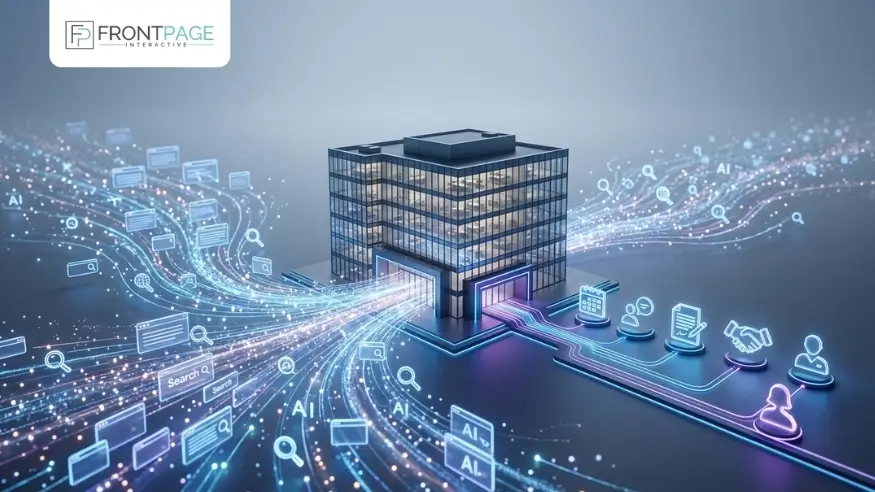

For years, businesses have treated website traffic as the ultimate measure of digital marketing success. More visitors, more page views, and more clicks are often celebrated as signs of growth. Yet many companies discover a frustrating reality: traffic increases, but leads remain flat.
As a digital marketing agency, we’ve worked with businesses that invested heavily in SEO, Content Marketing, AI Search Optimization, and website improvements. While these efforts generated substantial website traffic, the expected increase in consultations, appointments, and customers never materialized. The problem wasn’t visibility. The problem was the lack of a structured Lead Capture Process.
Today, visitors may find your business through Google AI Overviews, Bing AI results, traditional search, or ChatGPT Search. However, business growth depends less on where visitors come from and more on what happens after they arrive. Without the right Conversion Paths, even highly qualified traffic can disappear without generating meaningful results.
The Traffic Myth That Hurts Business Growth
One of the most common misconceptions in digital marketing is that more traffic automatically leads to more revenue.
Many businesses focus exclusively on increasing visibility through:
- SEO Campaigns
- Content Marketing
- AI Search Optimization
- Website Improvements
- Brand awareness efforts
While these strategies can successfully attract visitors, they do not guarantee conversions. Traffic is only the beginning of the customer journey.
We’ve seen clients attract thousands of monthly visitors while receiving very few inquiries because there was no system designed to capture interest and guide users toward action.
Why Visitors Leave Without Becoming Leads
A visitor arriving from Google AI Overviews or ChatGPT Search often has a specific purpose. They may be researching, comparing options, or looking for immediate assistance.
When businesses fail to address that intent, visitors leave.
No Clear Next Step
Many websites provide information but fail to tell visitors what to do next.
Without a clear action path, potential customers simply move on.
Generic Landing Experiences
Different visitors have different goals. Sending every visitor to the same page creates friction and reduces engagement.
Lack of Trust Signals
Prospects need confidence before taking action. Missing Testimonials, Case Studies, and proof points can prevent conversions.
Poor Follow-Up Systems
Even when visitors submit forms, many businesses lack Marketing Automation processes that nurture leads and move them through the sales journey.
Understanding Intent Before Building Conversion Paths
The most effective Lead Capture Systems begin with understanding visitor intent.
Not every website visitor is ready to buy immediately. Some are gathering information, while others are actively evaluating providers.
Successful websites create separate pathways for different stages of the decision-making process.
These pathways generally fall into three categories:
- Informational intent
- Commercial intent
- Urgent intent
Each requires a different experience.
Informational Visitors Need Education, Not Sales Pressure
Many visitors discover businesses through AI-generated answers while researching a topic.
These users are not yet ready for a consultation.
Instead, they need value-driven resources that build trust and encourage future engagement.
Content That Supports Educational Intent
Effective resources include:
- Industry guides
- Downloadable Checklists
- Educational articles
- Research reports
- Resource libraries
These assets help businesses capture leads while positioning themselves as trusted experts.
Turning Information Seekers Into Future Opportunities
Rather than pushing immediate sales conversations, businesses should encourage visitors to exchange their contact information for valuable resources.
This creates opportunities for ongoing communication through structured Lead Nurturing sequences.
Commercial Visitors Need Proof and Confidence
Commercial-intent visitors are actively comparing solutions.
They understand their problem and are evaluating potential providers.
Service-Focused Landing Pages
Dedicated Service Pages should clearly explain:
- Business solutions
- Key benefits
- Expected outcomes
- Service processes
Trust-Building Elements
Effective trust builders include:
- Case Studies
- Testimonials
- Success stories
- Industry expertise
- Frequently asked questions
Urgent Visitors Need Immediate Access
Some visitors arrive ready to take action immediately.
These prospects should never be forced to search for contact information or complete complicated processes.
Reduce Friction Wherever Possible
Urgent-intent users respond best when businesses provide:
- Fast contact options
- Simple forms
- Scheduling opportunities
- Consultation Requests
Every unnecessary step increases the risk of losing a potential customer.
Why Automation Is Critical After Lead Capture
One of the biggest mistakes we see businesses make is assuming Lead Generation ends when a form is submitted.
In reality, the post-conversion process is equally important.
Without proper follow-up systems, valuable opportunities are often lost.
Educational Leads Require Nurturing
Prospects who download resources should enter educational email sequences that continue building trust.
Commercial Leads Need Decision Support
These users benefit from:
- Consultation invitations
- Service information
- Relevant Case Studies
- Frequently asked questions
High-Intent Leads Need Rapid Response
Urgent prospects should be routed directly into Sales Workflows that prioritize immediate engagement.
Automation ensures that every lead receives the appropriate follow-up based on their intent and stage in the buying journey.
AI Search Visibility Must Connect to Conversion
As AI-powered search experiences become more common, businesses must think beyond visibility.
This means businesses need more than rankings.
They need systems that convert visibility into measurable outcomes.
Important elements include:
- Crawlable Public Content
- Intent-Based Landing Pages
- Lead Capture Mechanisms
- Automated Workflows
- Sales Workflows
- Conversion-Focused User Experiences
Without these elements, AI visibility may generate traffic but fail to produce meaningful business results.
Creating a Complete Lead Capture Framework
The most successful businesses connect every stage of the customer journey.
An effective framework includes:
- AI Search Visibility
- Intent-based content
- Dedicated Landing Pages
- Lead Capture Systems
- Marketing Automation
- Sales Workflows
- Performance measurement
When these components align, traffic becomes a reliable source of business growth rather than a vanity metric.
Conclusion
More website traffic does not automatically create more leads. Businesses that focus solely on attracting visitors often overlook the systems required to convert interest into action.
Whether traffic comes from Google AI Overviews, ChatGPT Search, traditional search engines, or other digital channels, success depends on having the right Lead Capture Process in place.
By creating intent-based conversion paths, implementing marketing automation, and aligning visitor experiences with customer needs, businesses can transform traffic into qualified leads, appointments, and long-term customers. With strategic support from FrontPage Interactive, organizations can build conversion-focused systems that turn AI-driven visibility into measurable business growth and revenue.
FAQs
1. Why doesn’t increased website traffic automatically generate more leads?
More traffic only creates opportunities. Without a structured Lead Capture Process, clear calls-to-action, and proper follow-up systems, visitors may leave without becoming leads or customers.
2. How can AI search traffic be converted into qualified leads?
Businesses can convert AI Search Traffic by creating Intent-Based Landing Pages, offering relevant resources, implementing Lead Capture Systems, and using Marketing Automation to nurture prospects.
3. What are the biggest reasons websites fail to convert visitors?
Common issues include poor user experience, unclear conversion paths, weak calls-to-action, lack of trust signals such as Case Studies and Testimonials, and ineffective follow-up processes.
4. Why is marketing automation important after lead capture?
Marketing Automation helps businesses follow up with prospects automatically, deliver personalized content, segment leads by intent, and move them through the sales funnel more efficiently.
5. What metrics should businesses track instead of traffic alone?
Businesses should focus on metrics such as Qualified Leads, Consultation Requests, Conversion Rates, Customer Acquisition, appointment bookings, and revenue generated from marketing efforts.